
How to Choose the Right Natural Gas Filter Cartridge for Your Industry
How to Choose the Right Natural Gas Filter Cartridge for Your Industry
Understanding Natural Gas Contaminants
To ensure efficient operation and extend the lifespan of equipment, maintaining the purity of natural gas during processing is essential. Contaminants such as dust, rust, oil aerosols, and moisture can negatively affect system performance, resulting in higher maintenance costs and an increased risk of equipment failure. This is why a natural gas filter cartridge is crucial for removing impurities before they reach sensitive components. Whether using stainless steel filter cartridges for high-pressure environments or liquid filter cartridges to separate water and hydrocarbons, selecting the appropriate filtration solution is key to achieving reliable and efficient operation. Understanding the specific contaminants present in the gas stream is the first step in choosing the most suitable filter cartridge for your application.
Types of Natural Gas Filter Cartridges
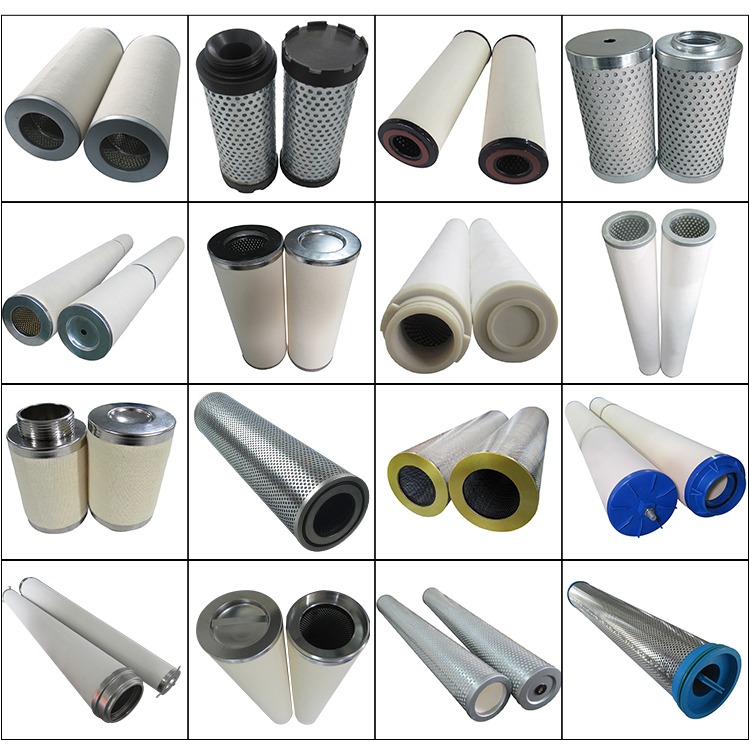
Selecting the right natural gas filter cartridge is essential for achieving efficient filtration and ensuring the long-term reliability of your system. A wide range of filter cartridges is available on the market, each specifically engineered to remove particular types of contaminants, including solid particles, liquids, and aerosols.Below are the main types of natural gas filter cartridges commonly used across various industrial applications.
Particulate Filter Cartridges
Designed to remove solid contaminants like dust, rust, and pipe scale
Protect downstream equipment from abrasion
Available in different micron ratings to capture fine particles
Often used as pre-filtration stage
Commonly made of materials like pleated synthetic fibers, cellulose, or stainless steel.
Typical Applications:
Pipeline filtration
Compressor inlet protection
Gas distribution systems
Coalescing Filter Cartridges
Used to remove fine liquid droplets (aerosols) from natural gas
Works by merging small liquid droplets into larger ones, which can then be drained away
Highly effective in eliminating oil mist, water, and liquid hydrocarbons
Typically made of borosilicate glass microfiber or synthetic media for high efficiency.
Typical Applications:
Natural gas processing
Compressor stations
Petrochemical plants
Separator Filter Cartridges
Separator filters are designed to remove the liquid that has been coalesced by upstream filters.
Hydrophobic media repels water
Removes bulk liquid from gas streams
Works as a second stage after coalescers
Typical Applications:
Gas-liquid separation systems
Fuel gas conditioning
Liquid Cartridge Filters
Designed to remove free liquids from the gas stream including water and hydrocarbons.
Prevents corrosion and damage to compressors, turbines, and other critical equipment
Made from materials such as polypropylene, fiberglass, or stainless steel.
Typical Applications:
Compressor protection
Gas treatment systems
Activated Carbon Filter Cartridges
Remove oil vapors, odors, and hydrocarbons, and volatile organic compounds in gas streams
Ideal for applications requiring ultra-pure gas
Typically made with a combination of carbon granules and support media
Typical Applications:
High-purity gas systems
Chemical processing
Stainless Steel Filter Cartridges
Designed for high-temperature and high-pressure applications
Ideal for harsh environments with corrosive gases or extreme operating conditions
Reusable and cleanable, offering a long service life
Available in sintered, woven, or pleated stainless steel mesh configurations.
Typical Applications:
High-pressure gas systems
Offshore and refinery applications
What are the Key Selection Criteria for Filter Cartridges
When selecting filter cartridges for applications such as natural gas filtration or liquid filtration, there are several key selection criteria that must be considered to ensure optimal performance and longevity. We have listed a few essential factors below:
Material Compatibility: Selecting the appropriate material for a filter cartridge is crucial. For example, stainless steel is well-suited for high-temperature or corrosive environments. Its strength and resistance to damage make stainless steel filter cartridges an excellent choice for demanding applications, including natural gas filtration.
Particle Size Removal: Filtration requirements vary by application, making it essential to select the appropriate micron rating. In natural gas systems, the filter cartridge must effectively capture particles within specified size ranges to prevent contamination and meet regulatory standards. For liquid filtration, the pore size should be carefully matched to the process requirements to achieve the desired level of purity.
Operating pressure and temperature: High-performance filter cartridges should be rated for the intended temperature and pressure conditions. Filters used in natural gas applications need to withstand varying conditions without compromising the filter integrity.
Surface Area: A larger filtration surface area generally improves efficiency and extends service intervals by accommodating higher contaminant loads. This is particularly important for liquid cartridge filters, where maintaining stable flow rates is essential.
Flow Rate: Assess the required flow rate for your application. The chosen filter cartridge should handle this flow efficiently without creating excessive pressure drop, ensuring optimal system performance.
Chemical Compatibility: The filter media must be fully compatible with the fluid being processed. For instance, when selecting a natural gas filter cartridge, it is essential to ensure that the material can withstand the gas composition without degradation or loss of performance.
Filter Lifespan: Evaluate the expected service life of the filter cartridge based on the specific application. Filters exposed to higher contamination levels may require more frequent replacement, while those operating under cleaner conditions can provide a longer service life.
Regulatory Compliance: Verify that the selected filter cartridges comply with applicable industry standards for safety and performance. This is especially critical in natural gas applications, where meeting environmental and safety regulations is mandatory.
What are The Maintenance & Replacement Factors
Maintenance and timely replacement of filter cartridges are essential for maintaining system efficiency and extending equipment life. Regularly monitoring flow rate and pressure drop is a reliable way to detect clogging or reduced performance, signaling when a cartridge should be replaced.
Operating conditions—such as temperature, pressure, and the level and type of contaminants in the fluid or gas—directly influence how often maintenance is required. In demanding environments, filters may need more frequent inspection and replacement.
For reusable cartridges, proper cleaning and routine inspection can significantly extend service life. In contrast, disposable cartridges should be replaced according to the manufacturer’s guidelines, typically based on operating hours or a specified pressure drop limit.
Keeping detailed records of replacement intervals, operating conditions, and performance data is also important. This helps optimize maintenance planning, reduce unexpected downtime, and ensure compliance with relevant industry standards.
Frequently Asked Questions
1. What is a natural gas filter cartridge and why is it important?
A natural gas filter cartridge is a device designed to remove solid particles, liquids, and aerosols from natural gas streams. Proper filtration protects compressors, valves, and other equipment, ensuring reliable operation and extending system life. Using the right filter also helps meet environmental and safety regulations.
2. How do I choose the right filter cartridge for my natural gas system?
Selecting the right cartridge depends on your contaminant type, particle size, flow rate, and operating conditions. Consider chemical compatibility, temperature, pressure, and filter material to ensure optimal performance and longevity. Stainless steel or high-quality synthetic media are common choices for demanding applications.
3. How often should I replace a natural gas filter cartridge?
Replacement frequency depends on contaminant load, flow rate, and operating environment. Monitor pressure drop and flow rate to determine when the filter becomes clogged. Follow manufacturer guidelines for disposable cartridges, while reusable cartridges may require cleaning and inspection to extend service life.
4. Can filter cartridges handle corrosive or high-temperature natural gas streams?
Stainless steel or specially coated media are ideal for high-temperature or corrosive environments, providing durability and maintaining filtration efficiency over time.
5. Does the filter cartridge affect gas flow and system efficiency?
Choosing a cartridge with an adequate surface area and proper flow rating ensures minimal pressure drop, stable flow, and efficient filtration. Pleated or large-surface-area cartridges are commonly used to balance filtration efficiency and system performance.